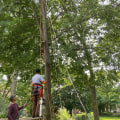
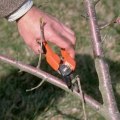
Tree trimming is often viewed as a way to improve a property's appearance, but it also plays an important role in protecting nearby structures. In Winchester, Virginia, mature trees add beauty, shade, and environmental benefits to residential and commercial landscapes. However, as trees continue to grow, their branches and root systems can begin interacting with homes, garages, fences, retaining walls, and other built features. Without routine maintenance, overgrown limbs may extend over roofs, scrape siding, interfere with gutters, or create hazards during strong winds and storms. Proper tree trimming helps manage these risks while preserving the health of the trees themselves. By maintaining balanced growth and removing damaged or unstable branches, property owners can reduce the likelihood of preventable damage and extend the lifespan of both their landscaping and surrounding structures.
Reducing Structural Risks Before They Develop
Overgrown trees can create a variety of structural concerns that develop gradually over time. Branches rubbing against roofing materials may wear away protective surfaces, allowing moisture to enter the building envelope. Limbs hanging over windows or decks become vulnerable during severe weather, increasing the risk of falling debris that can damage exterior finishes or outdoor living spaces. Dense tree canopies may also trap moisture against roofs and walls by limiting airflow and sunlight, creating conditions that encourage mold, wood decay, or premature material deterioration. Regular tree trimming minimizes these risks by promoting healthier tree growth while maintaining safe clearance between vegetation and nearby buildings. Preventive maintenance is often far more cost-effective than repairing structural damage caused by neglected trees.
Protecting Foundations and Site Conditions
Although trimming primarily focuses on branches and canopy management, it also supports better overall landscape management around structures. Healthy, properly maintained trees are easier to monitor for signs of disease, instability, or excessive growth that could eventually affect surrounding property. Large trees located close to buildings should be observed carefully because root systems may influence soil moisture levels or interact with nearby hardscape features over time. While trimming does not eliminate root-related concerns, it is often part of a broader property maintenance strategy that helps homeowners identify potential issues before they become significant. In larger renovation or development projects, careful planning may also involve reviewing site conditions alongside design documents, including structural permit drawings in Chesterfield, to ensure that landscaping improvements and structural modifications work together without creating future conflicts.
Supporting Long-Term Property Maintenance
Routine tree trimming benefits more than just individual trees—it contributes to the long-term performance of the entire property. Well-maintained trees place less stress on surrounding structures, improve visibility around buildings, and reduce the accumulation of leaves and debris in gutters and drainage systems. Better drainage helps direct water away from foundations, patios, and walkways, reducing erosion and minimizing moisture-related issues that can affect structural stability. Property owners also gain improved access for roof inspections, exterior maintenance, and other routine upkeep when trees are properly managed. These combined benefits help preserve both landscaping investments and structural assets while enhancing overall property safety.
A Proactive Approach to Structural Protection
Tree trimming in Winchester, Virginia, is about much more than maintaining an attractive landscape. It serves as an important preventive measure that helps safeguard nearby homes and structures from avoidable damage caused by overgrown limbs, storm impacts, and excessive vegetation. Regular maintenance supports healthier trees, improves drainage conditions, reduces potential hazards, and allows property owners to identify developing concerns before they require expensive repairs. By viewing tree care as part of a comprehensive property maintenance plan, homeowners can better protect roofs, siding, foundations, outdoor living spaces, and other valuable structural components. Thoughtful tree management ultimately creates a safer, more durable property while preserving the beauty and long-term value of the surrounding landscape.